

Stink Bug Control in Elgin, IL
Stink bugs become a pressing concern in Elgin during spring and summer months, when these insects move indoors seeking shelter and can quickly establish themselves in homes throughout neighborhoods like Downtown Elgin and College Park. A localized infestation can spread rapidly through wall voids and attics, making early intervention essential to prevent populations from overwintering in your property. Dodd Pest Control connects Elgin homeowners with independent local providers who specialize in stink bug removal, helping you regain control before seasonal activity peaks.
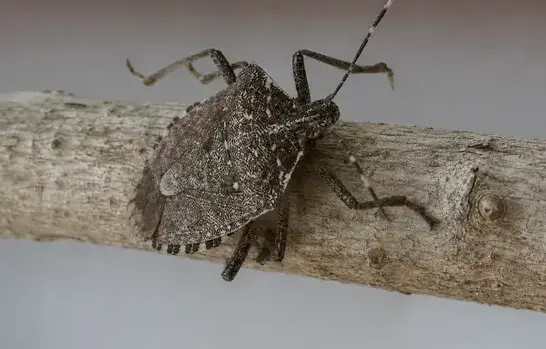
When do stink bugs come indoors in Elgin, IL?
Two things decide when you see a pest: what the species does, and what the weather here actually does. Below is the published guidance on the first, set against this city's own measured climate.
“Adults begin to search for overwintering sites starting in September through October.” Penn State Extension
“Adults emerge in the spring (late April to mid-May)” Penn State Extension
Two windows rather than one, then: into the building through autumn, back out the following spring.
Elgin's first autumn freeze averages October 18 and its last spring freeze April 26, so the September-October move indoors here runs ahead of the cold rather than after it.Source: NOAA 1991-2020 Climate Normals, ELGIN, IL US station (1.8 mi from Elgin)
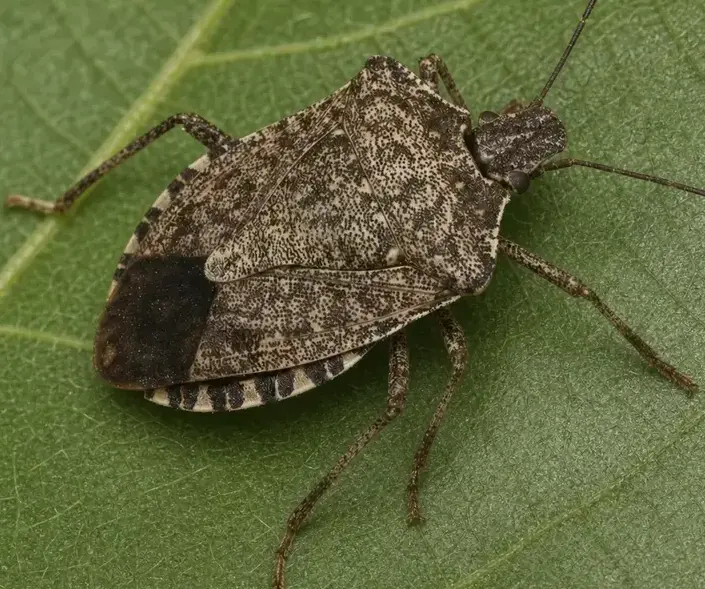
Stink Bug Control Solutions for Elgin Homeowners
Homeowners throughout Elgin face seasonal pest pressures that shift with the changing seasons, and stink bugs rank among the common invaders that create problems during warmer months. These shield-shaped insects seek shelter and food sources around residential properties, often becoming a nuisance as they congregate on exterior walls, windows, and entry points. When temperatures begin to drop in fall and winter, stink bugs—along with rodents and other pests—intensify their search for indoor refuge, making spring and summer the critical window for prevention and control. Understanding this seasonal cycle helps Elgin residents take proactive steps before populations establish themselves inside homes.
Dodd Pest Control connects Elgin property owners with independent local providers who understand stink bug behavior and the specific challenges these pests present year-round. Rather than offering a one-time visit, these local professionals develop a thorough approach tailored to your property's vulnerabilities, addressing not only active stink bug activity but also entry points and conditions that attract them. Follow-up monitoring and targeted strategies help reduce the likelihood of reinfestation, ensuring your home remains protected as seasons change. If stink bugs are already a problem in your Elgin home, reaching out to a local provider through Dodd Pest Control puts you in direct contact with someone ready to assess your situation and outline next steps.
Why Elgin Homeowners Trust Dodd for Stink Bug Control
Fast Local Stink Bug Response
Stink bug problems demand quick action. Dodd connects you with independent local providers in Elgin who respond promptly to active infestations, minimizing damage and preventing these pests from establishing in your home.
Thorough Stink Bug Treatment Plans
Effective stink bug control requires more than one application. The independent providers Dodd connects you to develop comprehensive treatment strategies tailored to your property's specific infestation level and entry points.
Clear Communication Throughout Stink Bug Control
You'll understand every step of your stink bug treatment. Dodd's independent providers explain findings, treatment options, and prevention measures clearly, keeping you informed from inspection through resolution.
Seasonal Stink Bug Pressure in Elgin
Stink bugs intensify their activity during Elgin's warmer months as they seek resources and shelter. Getting ahead with early spring control protects your home before populations surge and infiltration becomes severe.
How Our Stink Bug Treatment Works
Schedule Your Stink Bug Control Visit
Contact Dodd Pest Control and describe your stink bug problem in Elgin. We'll connect you with a local independent pest control provider who can arrange a time to inspect your property for stink bug activity and entry points.
Assessment & Stink Bug Treatment Plan
The provider will identify where stink bugs are entering and sheltering, then recommend a targeted stink bug control strategy. As pest pressure peaks during warmer months in this region, prompt treatment prevents larger indoor populations from establishing.
Stink Bug Control & Follow-Up
The local provider applies stink bug control measures and discusses monitoring steps to catch any remaining activity. Follow-up visits may be recommended to ensure the stink bug problem is fully resolved.
Ready to get rid of stink bugs in Elgin? A local provider can get started fast.
Call (847) 994-0807Stink Bug Control Across Elgin Neighborhoods
Stink bug activity in Elgin follows a predictable seasonal pattern, with infestations building through spring and summer as temperatures warm. Property characteristics across the area directly influence how susceptible homes become to stink bug invasions. Established neighborhoods with mature trees—such as those in the Gifford Park Historic District—offer stink bugs abundant outdoor harborage and food sources, making fall entry into homes a particular concern as the season shifts. Newer developments and subdivisions in areas like Century Oaks provide fewer established landscape features, though stink bugs still seek shelter indoors as cooling weather arrives.
Understanding your home's specific setting helps local pest control providers tailor stink bug control efforts to your property's risk factors. Whether your Elgin home sits in an older, tree-lined neighborhood or a more recently developed area, the timing and scope of stink bug pressure varies. Early detection and intervention during spring and early summer—before populations peak—creates the best opportunity to prevent large fall infestations. A local provider familiar with Elgin's seasonal pest cycles can recommend a control strategy matched to your property's exposure and history.
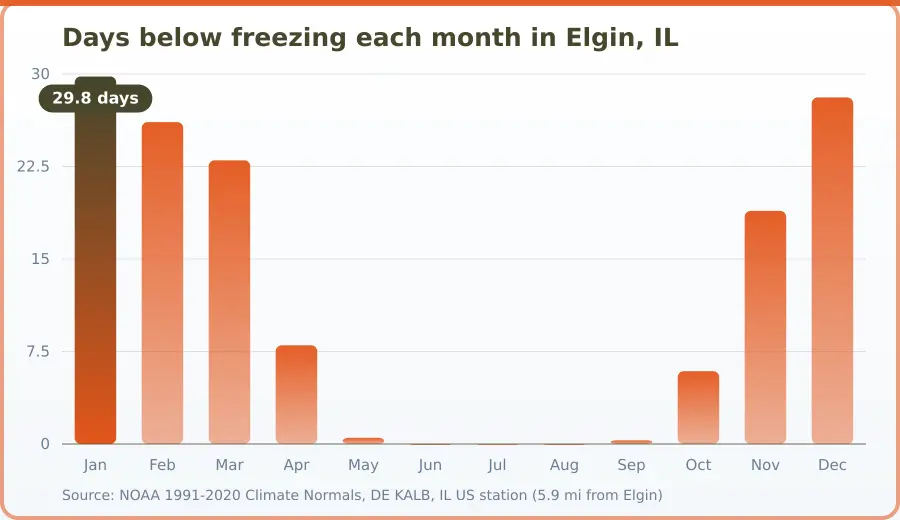
| Period | Freezing days per month (days) |
|---|---|
| Jan | 29.8 |
| Feb | 26.1 |
| Mar | 23 |
| Apr | 8 |
| May | 0.5 |
| Jun | 0 |
| Jul | 0 |
| Aug | 0 |
| Sep | 0.3 |
| Oct | 5.9 |
| Nov | 18.9 |
| Dec | 28.1 |
Source: NOAA 1991-2020 Climate Normals, DE KALB, IL US station (5.9 mi from Elgin). Retrieved October 5, 2026.
Seasonal Stink Bug Control Throughout Elgin's Year
Spring: Emergence and Entry
As temperatures warm past Elgin's typical last freeze around April 26, stink bugs emerge from winter dormancy and become active foragers seeking food and mates. Local providers help identify entry points and implement exclusion measures before populations peak. Spring rainy periods create moisture-rich environments stink bugs exploit to establish outdoor populations near homes.
Summer: Peak Feeding Activity
Summer brings stink bug populations to their most aggressive phase, with insects feeding heavily on gardens, landscapes, and nearby crops throughout Elgin and surrounding areas. With approximately 13 days averaging 90°F or higher, heat stress intensifies stink bug activity and reproduction rates. Local providers offer targeted control strategies tailored to warm-season behavior and breeding cycles.
Fall: Shelter-Seeking Invasion
As the first autumn freeze approaches around October 18, stink bugs actively seek warm indoor shelter, clustering on home exteriors and infiltrating walls, attics, and crawl spaces to overwinter. This seasonal pressure spike—driven by stink bugs' survival instinct rather than general pest activity—makes fall the critical window for exclusion and removal. Connecting with local providers before temperatures drop prevents winter infestations.
Winter: Dormant Clustering
Elgin's harsh winters, with 28.1 freezing nights in December alone, force stink bugs into deep dormancy inside buildings where they cluster in protected wall voids and attics. Though inactive and hidden, overwintering populations remain a threat; local providers help locate and manage these clusters to prevent spring emergence indoors and protect the home before warming returns.
Related Services
Stink Bug Control FAQs — Elgin, IL
Stink bug control typically includes inspection of entry points, targeted treatment of affected areas, and application of methods to eliminate active infestations. Local providers assess your property's vulnerabilities and recommend strategies tailored to your home's layout. The goal is to address current populations and reduce the likelihood of future activity indoors.
Response times depend on the local provider you're connected with and current service demand. Dodd Pest Control links you to independent providers in the Elgin area who can often schedule inspections and treatment quickly, especially during peak pest seasons. Contact your provider directly to discuss urgent scheduling needs for your stink bug problem.
Pricing for stink bug control varies based on property size, infestation severity, treatment method, and the scope of preventive work recommended. The local provider you're matched with will assess your specific situation and provide pricing details. Factors like the number of entry points sealed or treated will influence the final cost.
Your provider will give you specific preparation instructions, which typically include moving items away from treated areas and ensuring safe access to entry points and problem zones. You may be asked to seal food items or remove pets from certain rooms during treatment. Follow your provider's pre-visit guidance closely for the most effective results.
Seal cracks and gaps around windows, doors, and foundation areas where stink bugs enter. Install or repair door sweeps and screen mesh. Remove outdoor debris piles and vegetation close to your home's exterior. Your local provider can recommend additional exclusion steps specific to your property to reduce reinfestation risk.
Stink bug activity peaks during warmer months in the Elgin area, with infestations most noticeable in spring and summer. However, as temperatures drop, these pests seek shelter indoors, making fall an ideal time to address control and seal entry points before they move inside for the season.
Homeowner Safety Toolkit
Verify Your Elgin, IL Pest Control Company
Before you hire anyone, use these independent national resources to confirm credentials, standards, and track record.
NPMA
QualityPro is the pest control industry's own accreditation program, endorsed by the National Pest Management Association. Find and verify a company's accreditation before you hire.
Find a Certified ProBBB
Look up any pest control company's complaint history, customer reviews, and accreditation status — a free, independent check before you hire.
Check StandingEPA
The federal government's own guide to choosing a pest control method and using pesticides safely around your home and family.
Pesticide Safety GuideDealing with stink bugs in Elgin? Get fast, targeted treatment from a local provider.
Call (847) 994-0807Areas We Serve in Elgin, Illinois
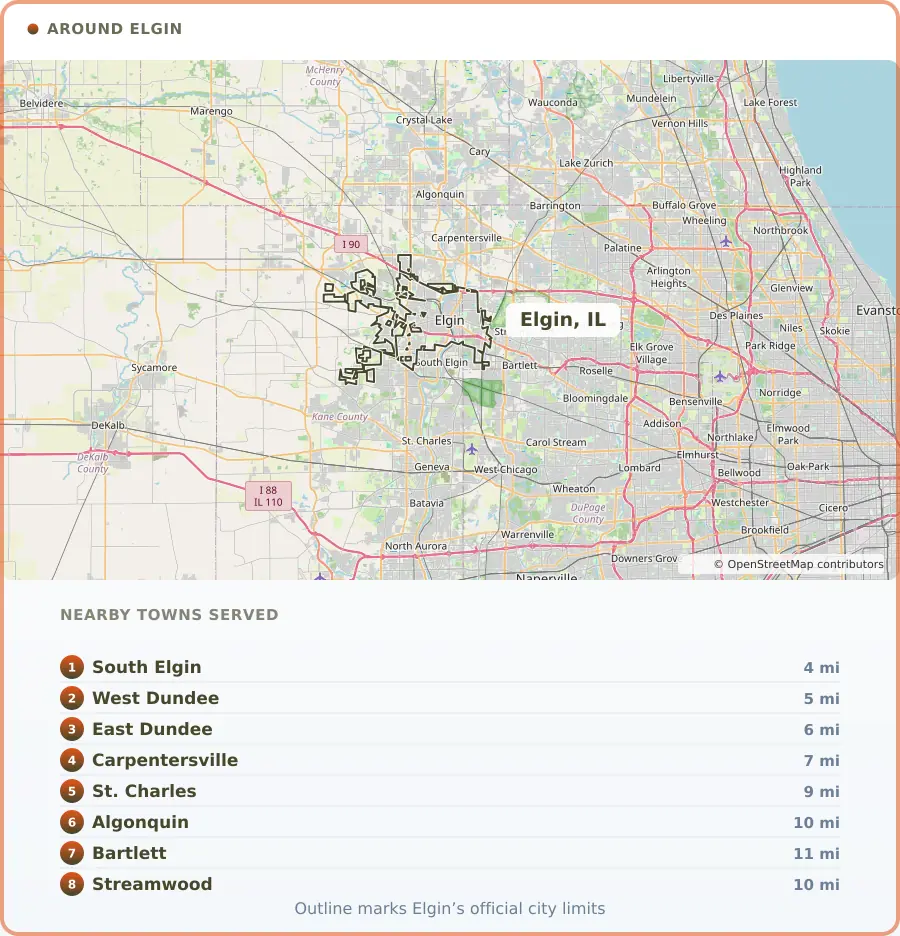
Coverage centres on Elgin, IL and reaches 8 surrounding communities. Response time is what matters most in the hours after a problem is found, so knowing the ground is part of the job.
Elgin, IL Information
Elgin sits along the Fox River in Kane County, a sturdy, working city within Chicago's larger orbit of about 114,797 people. Its economy runs on real variety rather than one dominant industry: Advocate Sherman Hospital and School District U-46 anchor healthcare and education, the Grand Victoria Casino brings steady hospitality jobs, and manufacturers like Elgin Sweeper Company and Koch Foods keep the city's industrial roots alive. City and county government round things out, giving Elgin a grounded, self-sufficient economic identity.
That mix shows in its neighborhoods, too. Downtown Elgin carries the river city's historic backbone, while areas like the Gifford Park Historic District and Bowes Creek Country Club show how old brick character and newer suburban living sit comfortably side by side here.

Photo: Chris Light, CC BY-SA 4.0